PVC Resin
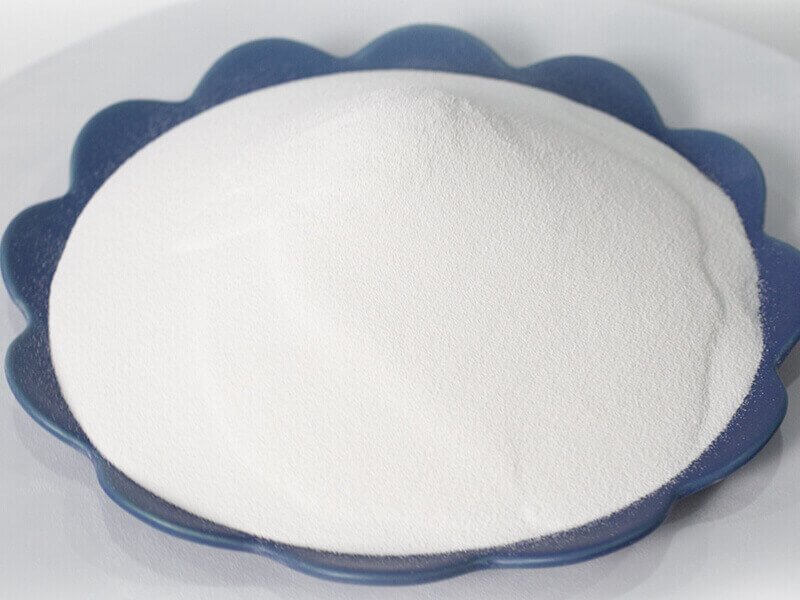
Poly Vinyl Chloride Resin or PVC Resin as it is popularly called, is a thermoplastic Resin which can be softened on reheating. A common term for this commodity polymer is Vinyl. Often available in the form of a powder, PVC granules are highly resistant to oxidisation and degradation caused by atmospheric reaction. In its raw form, it appears as a white powdery solid.
The composition of PVC is such that 57 % is chlorine and 43% is carbon. Since the process of deriving PVC Resin granules is rarely dependent on petroleum, it is considered as one of the more renewable plastics.
According to its appearance and flexibility, PVC is categorised into the following two categories:
· Rigid PVC: Use in construction
· Flexible PVC: The granules are made softer by the addition of plasticisers
PVC Resin is manufactured by the polymerisation of the vinyl chloride monomer. According to the method of polymerisation.
PVC Resin granules are characterised into four categories:
· Suspension PVC: This method is highly cost effective and about 80% of PVC Resin is produced via this method
· Emulsion PVC: This process produces finer particles and the product is mostly used in the manufacturing of plastisols
· Bulk-Polymerized PVC: In this method, no emulsifiers or additives are used. This helps to generate the purest form of PVC
· Co-Polymer PVC: This process is used for adding special properties to PVC by polymerising the granules along with other co-monomers. Vinyl flooring sheets come under this category
Poly Vinyl Chloride Resin or PVC Resin as it is popularly called, is a thermoplastic Resin which can be softened on reheating. A common term for this commodity polymer is Vinyl. Often available in the form of a powder, PVC granules are highly resistant to oxidisation and degradation caused by atmospheric reaction. In its raw form, it appears as a white powdery solid.
The composition of PVC is such that 57 % is chlorine and 43% is carbon. Since the process of deriving PVC Resin granules is rarely dependent on petroleum, it is considered as one of the more renewable plastics.
According to its appearance and flexibility, PVC is categorised into the following two categories:
· Rigid PVC: Use in construction
· Flexible PVC: The granules are made softer by the addition of plasticisers
PVC Resin is manufactured by the polymerisation of the vinyl chloride monomer. According to the method of polymerisation.
PVC Resin granules are characterised into four categories:
· Suspension PVC: This method is highly cost effective and about 80% of PVC Resin is produced via this method
· Emulsion PVC: This process produces finer particles and the product is mostly used in the manufacturing of plastisols
· Bulk-Polymerized PVC: In this method, no emulsifiers or additives are used. This helps to generate the purest form of PVC
· Co-Polymer PVC: This process is used for adding special properties to PVC by polymerising the granules along with other co-monomers. Vinyl flooring sheets come under this category